Shoulder osteoarthritis: Diagnosis and treatment
Shoulder osteoarthritis (omarthrosis) is a degenerative condition that causes pain and a progressive limitation of joint mobility. If medical treatment fails or when shoulder osteoarthritis is advanced, two surgical procedures can be considered: arthroscopy or arthroplasty (shoulder replacement).

Contents:
What is shoulder osteoarthritis?
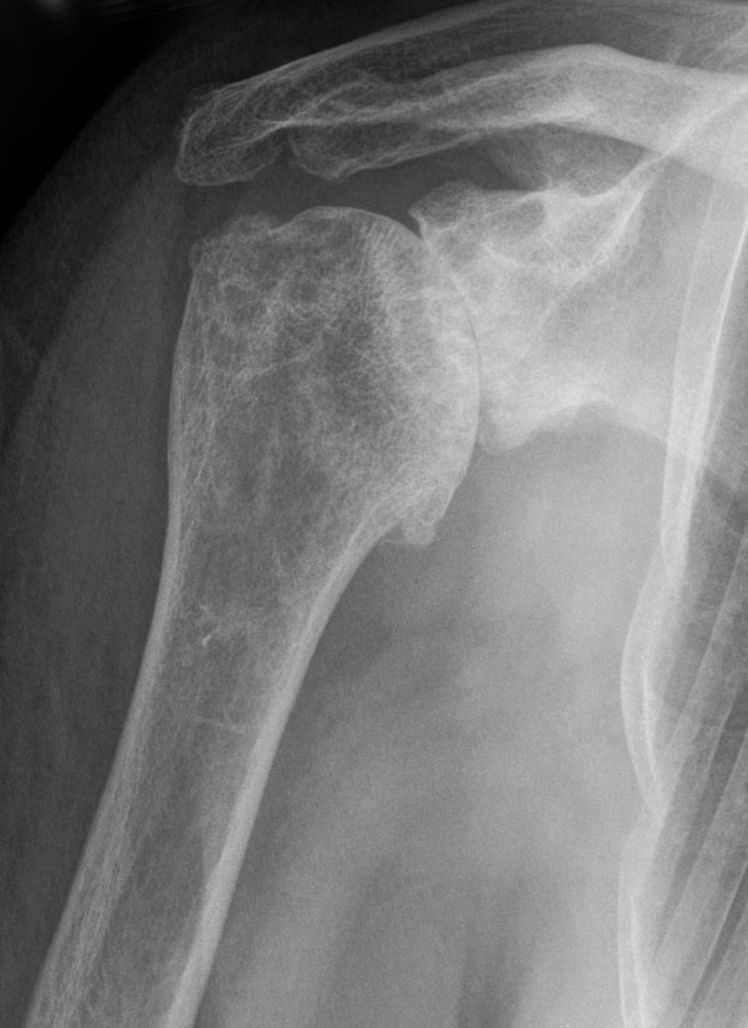
“Shoulder osteoarthritis” refers to osteoarthritis affecting the shoulder joint, meaning a wear and tear of the cartilage covering the head of the humerus as well as the articular surface of the shoulder blade, called the glenoid.
In most cases, shoulder osteoarthritis is a degenerative condition that occurs with aging.
This type of arthritis may also result from a traumatic event, recent or old, that has damaged the articular surface of the glenoid or humeral head.
Repeated trauma can also contribute to the development of shoulder osteoarthritis. This may occur due to occupational activities or participation in specific sports disciplines.
An old rupture of the rotator cuff tendons can also lead to shoulder osteoarthritis. In this case, it is referred to as “eccentric shoulder osteoarthritis,” meaning that the humeral head migrates upward due to the tendon rupture and progressively wears down.
It is important to understand that these arthritic lesions are permanent, as articular cartilage cannot heal. Joint destruction progressively worsens, leading to pain and increasing loss of mobility.
Diagnosis of shoulder osteoarthritis
The most common reason for consultation with a specialist is pain, often associated with cracking sounds and progressive limitation of mobility. The pain initially affects the shoulder but may radiate to the arm, neck, and shoulder blade.
Additional imaging tests are required to confirm the diagnosis, usually including X-rays, MRI, or CT arthrography.
These imaging studies allow the orthopedic surgeon to assess the degree of joint damage and deformity, as well as bone quality. They also help identify associated lesions such as rotator cuff tears or long head of the biceps tendon injuries.
Medical treatment of shoulder osteoarthritis
The first step in treating shoulder osteoarthritis is generally conservative (medical) treatment, especially in early stages.
This includes the use of painkillers (analgesics), anti-inflammatory medications, and gentle shoulder physiotherapy.
In some cases, corticosteroid injections and possibly viscosupplementation may be recommended. PRP injections (platelet-rich plasma derived from the patient’s own blood) may also be proposed.
Surgical treatments for shoulder osteoarthritis
If medical treatment fails, surgical management may be considered. Surgery may also be proposed upfront in cases of advanced osteoarthritis.
Arthroscopy:
In moderately advanced shoulder osteoarthritis, arthroscopy may be performed. This minimally invasive procedure includes joint lavage, removal of loose bodies and cartilage debris, and if necessary, acromioplasty and biceps tenotomy.
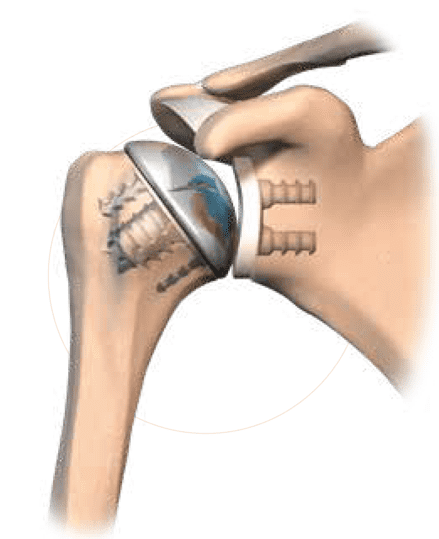
Arthroplasty: shoulder replacement surgery
In advanced shoulder osteoarthritis, or when arthroscopy fails to provide sufficient relief, arthroplasty (shoulder replacement surgery) is the most appropriate treatment.
Several types of prostheses may be used depending on the severity and pattern of arthritis, as detailed in the shoulder prosthesis section.
During consultation, Dr. Roure will explain the different surgical options and help determine the most appropriate implant for your condition.
Shoulder replacement surgery generally leads to excellent pain relief and significant improvement in mobility.