Scaphoid fracture: diagnosis and treatments
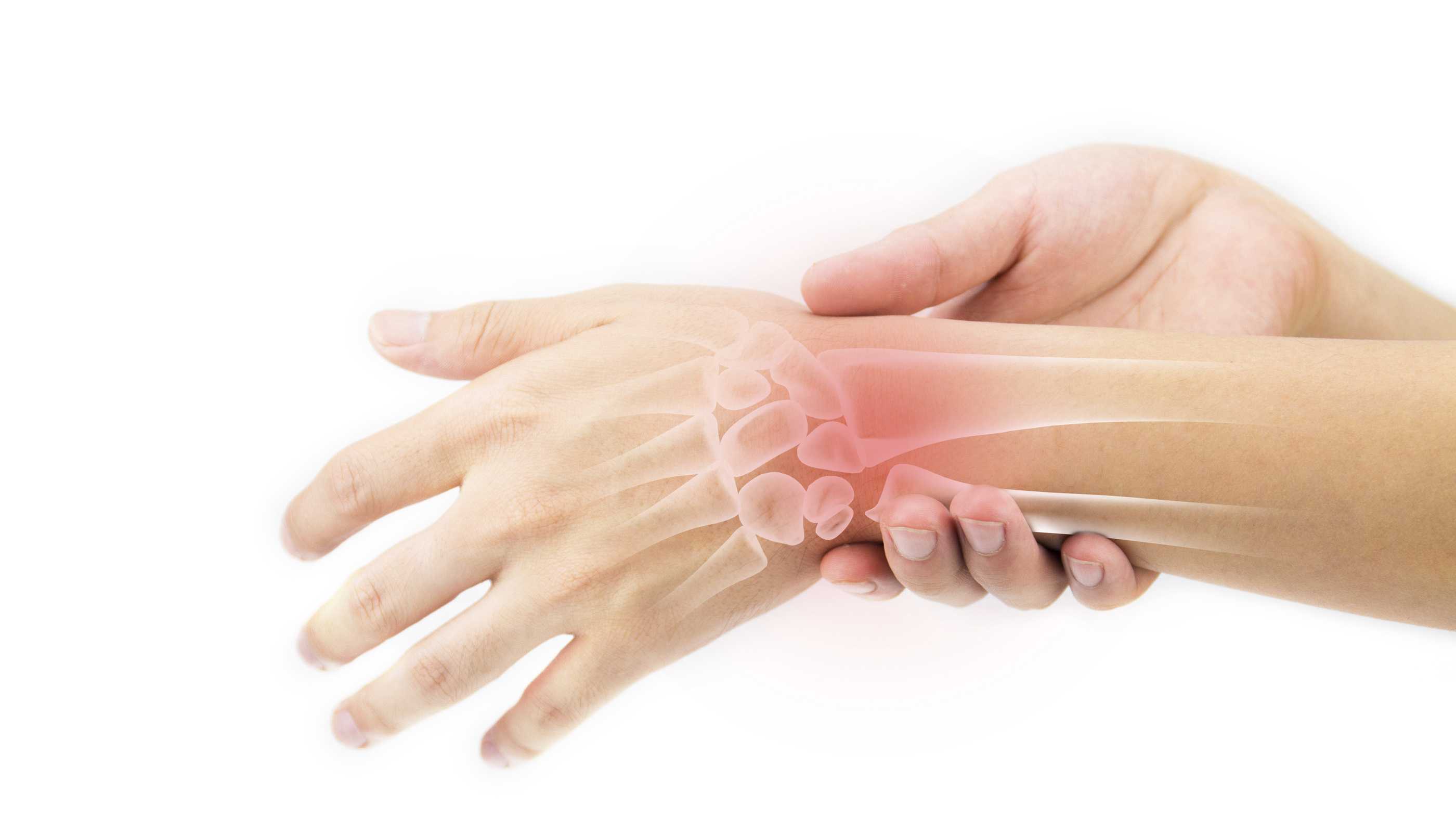
A scaphoid fracture is a very common fracture, often caused by a fall onto the palm of the hand. Difficult to diagnose, a scaphoid fracture requires early and appropriate treatment to avoid complications, such as scaphoid nonunion, which can lead to progressive destruction of the wrist.
Contents:
Diagnosis of a scaphoid fracture
What is the scaphoid?
The scaphoid is one of the eight carpal bones. It lies in line with the thumb column and is located on the radial (outer) side of the proximal row of carpal bones. The scaphoid plays a major functional role in wrist movement, contributing to flexion, extension, and lateral deviation of the wrist.
A frequent fracture
Scaphoid fractures usually occur after a fall onto an outstretched hand. They often happen when the wrist is extended during the fall. A simple fall from standing height may be enough to cause this fracture. In other cases, the fracture is caused by a high-energy trauma (skiing accident, motorcycle, cycling, or rollerblading accident).
The scaphoid is the most frequently fractured carpal bone (about 60% of carpal fractures involve the scaphoid). This injury mainly occurs during sports activities or road traffic accidents (motorbike, bicycle, scooter).
After a scaphoid fracture, pain is typically felt on the radial and dorsal side of the wrist. Active wrist movement becomes painful. Swelling of the wrist is also commonly observed. These symptoms may improve spontaneously, which can delay diagnosis and treatment.
A difficult diagnosis
Because clinical signs are not specific, X-rays are essential to confirm the diagnosis. In non-displaced fractures, the fracture line may be difficult to see on initial X-rays. In such cases, repeat X-rays are performed after 10 to 15 days. An MRI or CT scan may also be required for confirmation.
In some cases, pain may be mild and quickly subside. However, this does not rule out a fracture. When in doubt, it is essential to be examined by a specialist, as early treatment is crucial to avoid complications.
Scaphoid healing is uncertain due to its poor blood supply. If healing fails, the fracture may progress to a scaphoid nonunion, leading to progressive wrist joint degeneration.
Conservative treatment of scaphoid fracture with immobilization
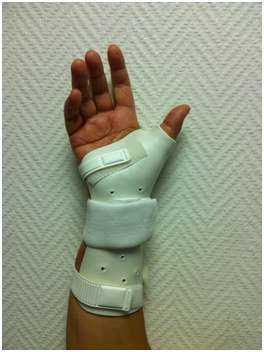
Treatment depends on the fracture type, age, and patient profile.
Non-surgical treatment is possible in non-displaced fractures. It consists of immobilizing the wrist with a cast or resin splint.
A custom thermoplastic splint can also be used. This modern option is more comfortable, allows full finger mobility, and can be removed at rest or for hygiene.
Duration of immobilization
Immobilization is often long and may last up to 3 months to achieve bone healing.
Smoking cessation is essential for healing, as tobacco significantly impairs bone consolidation.
Risks
The main risk of conservative treatment is non-union, known as scaphoid nonunion. Unfortunately, this is not rare.
To reduce this risk, primary surgical fixation with a screw may be proposed, allowing faster recovery and shorter immobilization.
Surgical treatment of a scaphoid fracture
Non-displaced scaphoid fracture
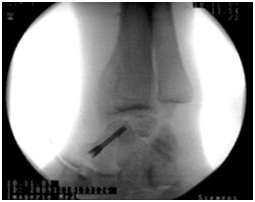
When the fracture is not displaced, compression screw fixation may be proposed. This procedure shortens immobilization time.
It is often indicated in active or athletic patients who wish to return to activity quickly.
The procedure involves inserting a compression screw inside the scaphoid to stabilize and compress the fracture. It is performed through a small incision under fluoroscopic guidance.
Pain is usually minimal after this surgery. Another advantage is the reduced risk of non-union.
After surgery, a splint is worn for a few weeks. It may be removed during rest periods if no strain is applied.
Displaced scaphoid fracture
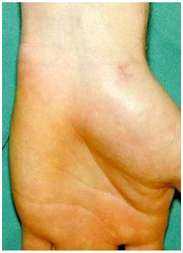
When the fracture is displaced, surgery is systematically indicated.
The procedure involves realigning the bone fragments and fixing them with a screw. It is performed through a small palmar incision.
After surgery, the wrist is usually immobilized for 6 weeks using a custom thermoplastic splint.
Summary:
- Duration: outpatient procedure
- Anesthesia: regional (arm only)
- Immobilization: splint (1 to 6 weeks)
- Indications: mandatory when displaced; also used to reduce immobilization time in selected cases
Postoperative care after surgery
Immobilization and rehabilitation
After surgery, the wrist is immobilized with a splint for 1 to 6 weeks depending on the procedure and fracture type.
A custom thermoplastic splint is often used, allowing finger movement while protecting the wrist.
During immobilization, the hand can be used for daily activities.
Rehabilitation is generally not required after surgical treatment of a scaphoid fracture.
Possible complications after surgery
Complications are rare but possible. The main complication is non-union, whether treated surgically or not. Specific surgical revision techniques may then be required.
Other rare complications include:
- Screw intolerance
- Infection
- Pain
- Swelling and stiffness due to complex regional pain syndrome (CRPS / algodystrophy), which may last several months and can lead to long-term stiffness and pain
- Persistent pain or functional limitation in some patients